Residential Rubbish Removal Vanderbijlpark: A Homeowner's Guide
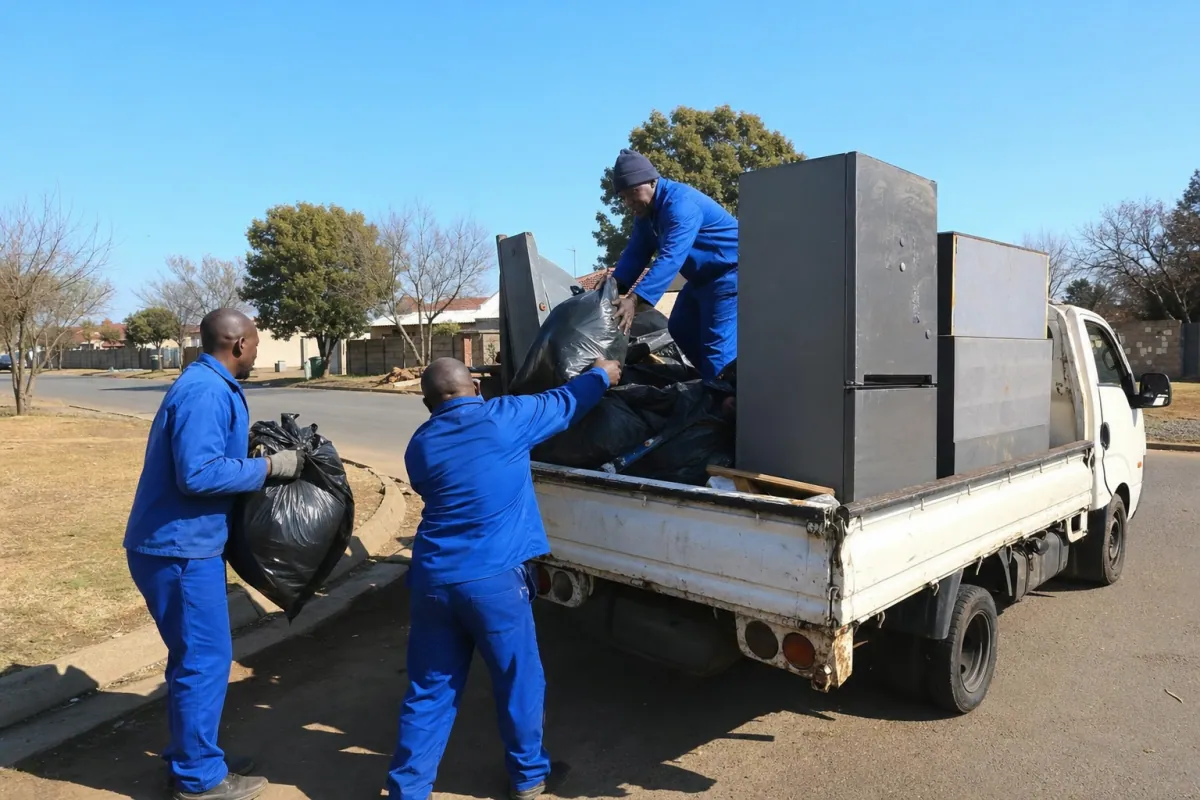
Residential rubbish removal in Vanderbijlpark starts at one 240-litre black wheelie bin emptied once a week — and that's where it ends, too. The trouble starts the moment your rubbish outgrows that bin: a fridge on the kerb, three weeks of post-renovation bags, a garage cleared after a move, the contents of an estate. None of that goes in the wheelie bin. None of it gets picked up at the kerb. And under South African law it stays your problem until it is lawfully handed to someone permitted to take it — which, in a Vaal where Emfuleni's collection service runs hot and cold and the landfills keep closing, is a sharper problem here than in most of the country. This guide explains what an actual residential clearance involves in 2026: what the municipality does, what you have to organise yourself, what it costs, and what you legally cannot throw in with the rest.
Key takeaways
- Only what fits inside the closed 240L bin is collected at the kerb — bags placed alongside or on top are not picked up.
- A typical Vaal residential clear-out runs R600–R1,500 per bakkie load (≈3m³), with longer-haul addresses out toward Sasolburg or Meyerton adding for travel.
- Hazardous household waste — paint, batteries, fluorescent tubes, motor oil, asbestos, e-waste — cannot go in your bin. It has to go to a permitted hazardous-waste handler, which the Vaal's steel-and-chemicals industry takes seriously.
- NEMWA s.16 makes every homeowner a "holder of waste" with a legal duty of care all the way to lawful disposal — not just to the kerb.
- Illegal dumping under Emfuleni's by-law brings fines, possible imprisonment and vehicle impoundment — and the Vaal's open veld and riverbanks already show the cost of people ignoring that.
What does "residential rubbish" actually cover?
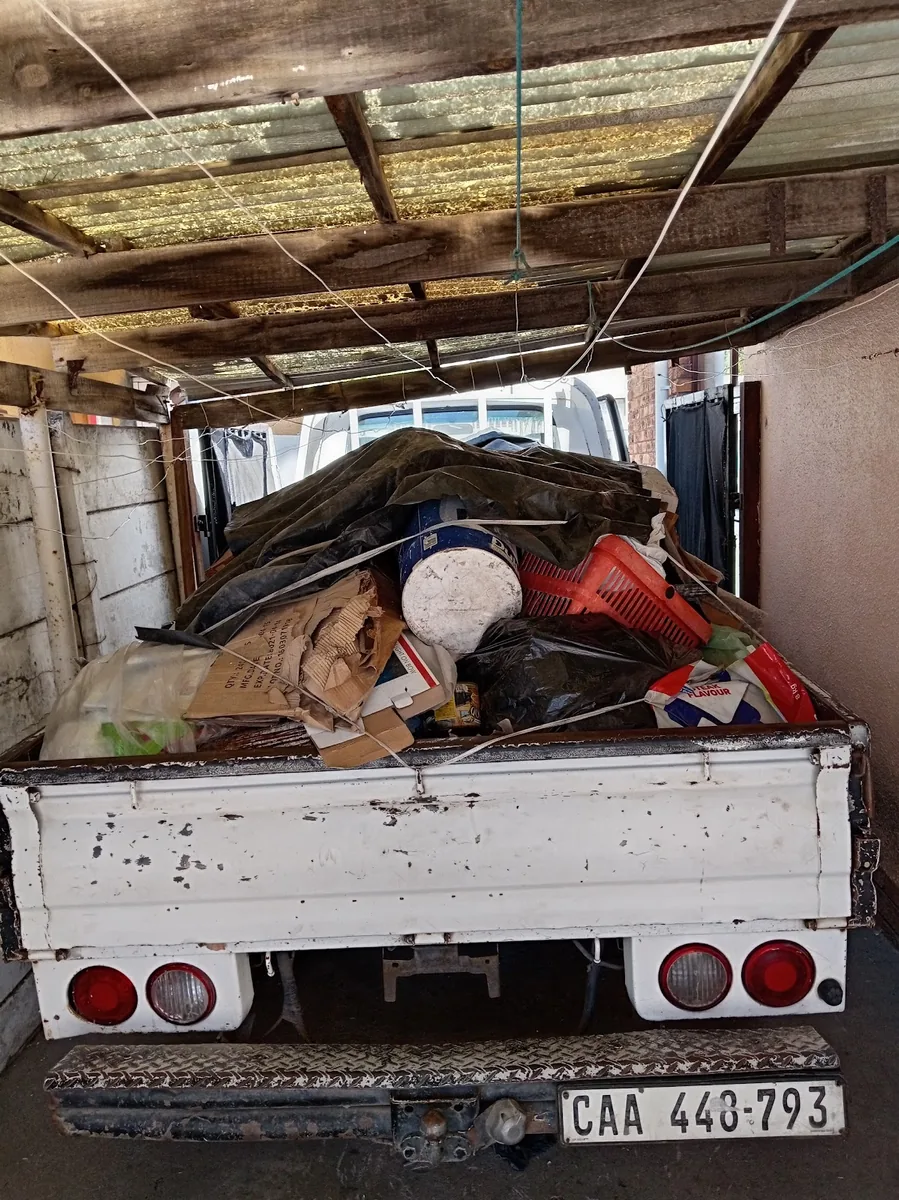
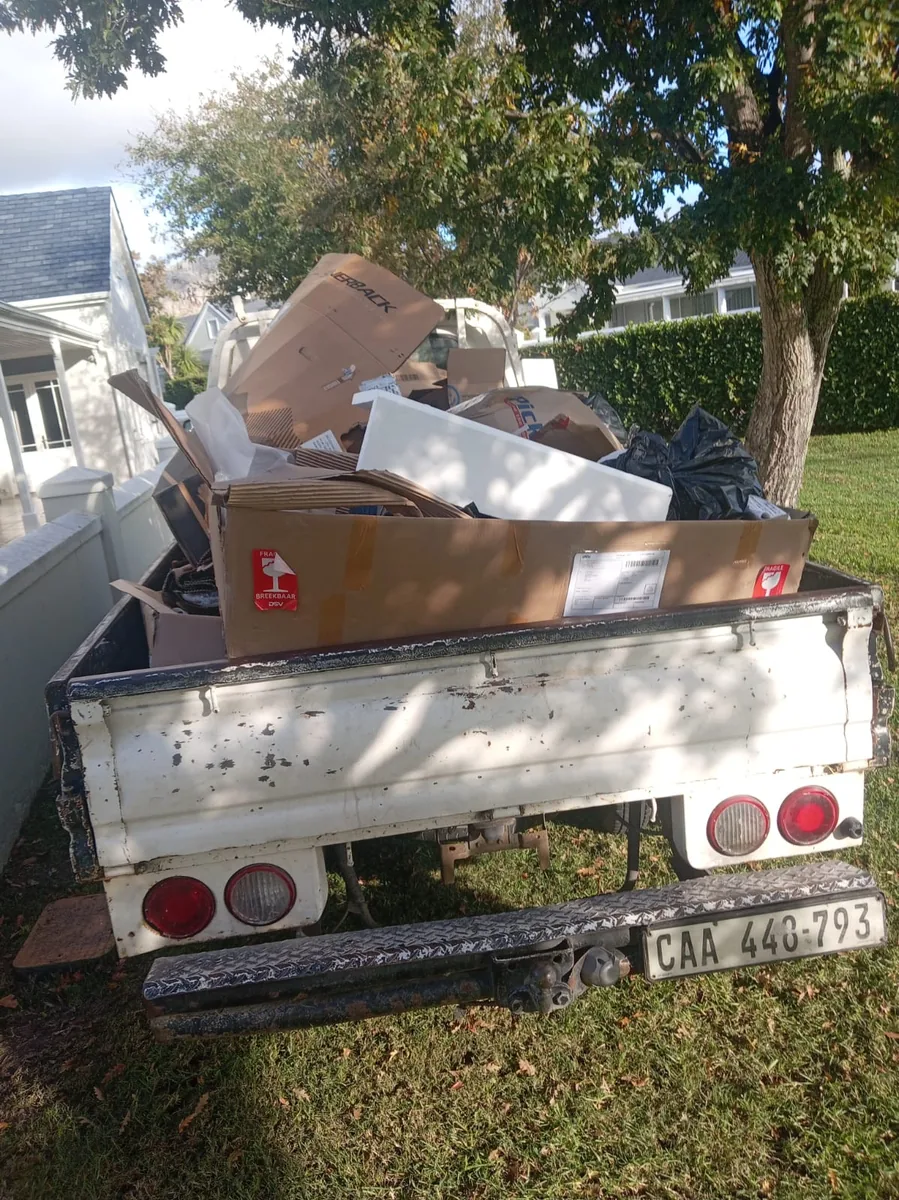
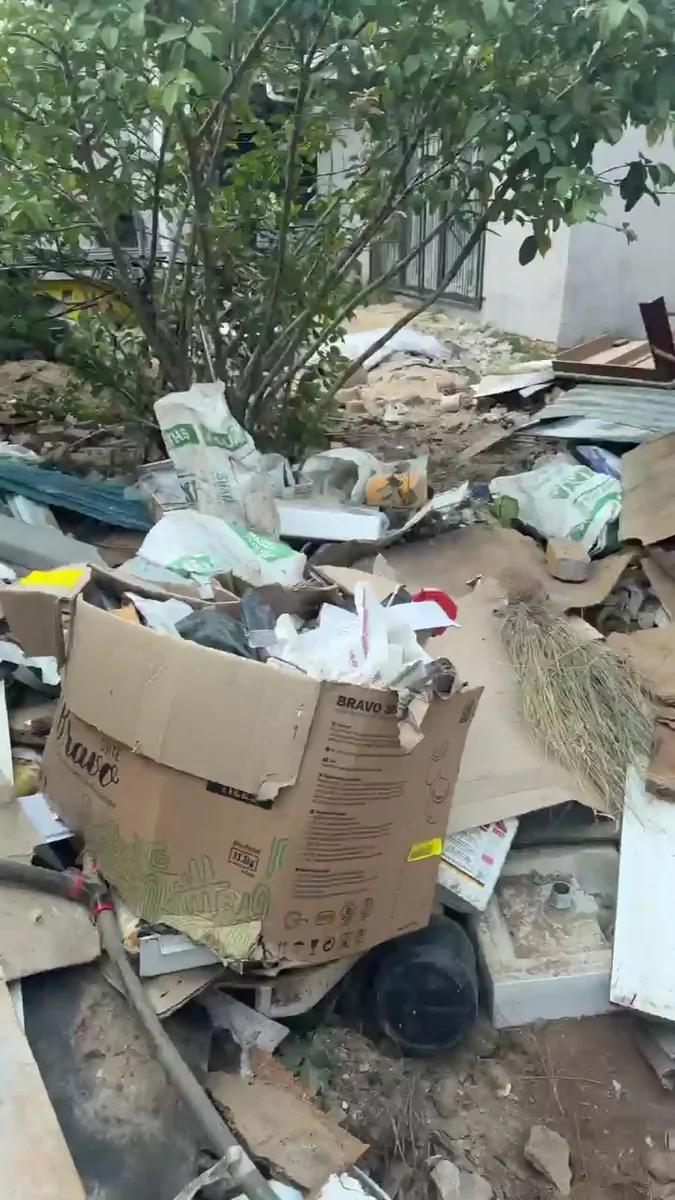
Emfuleni's waste by-law, like every SA municipality's, defines "domestic waste" as the waste that comes off a property used wholly or mainly for residential purposes — explicitly excluding hazardous waste. In practice that means the mixed-stream stuff that piles up around a normal Vanderbijlpark home: bagged kitchen and bathroom rubbish, broken household goods, outgrown furniture, post-clear-out boxes, the contents of a shed nobody opened for ten years, garden bin overspill, and the odd mattress you swore you'd take to the dump yourself last winter.
What it does not cover, in any honest reading of the by-law or the municipality's guidance:
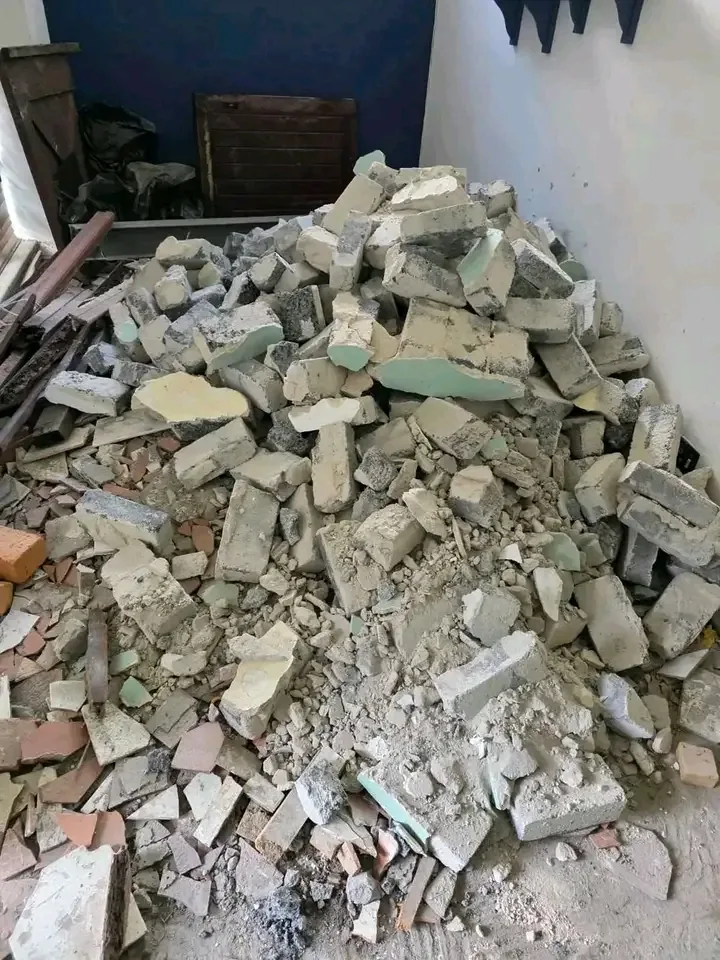
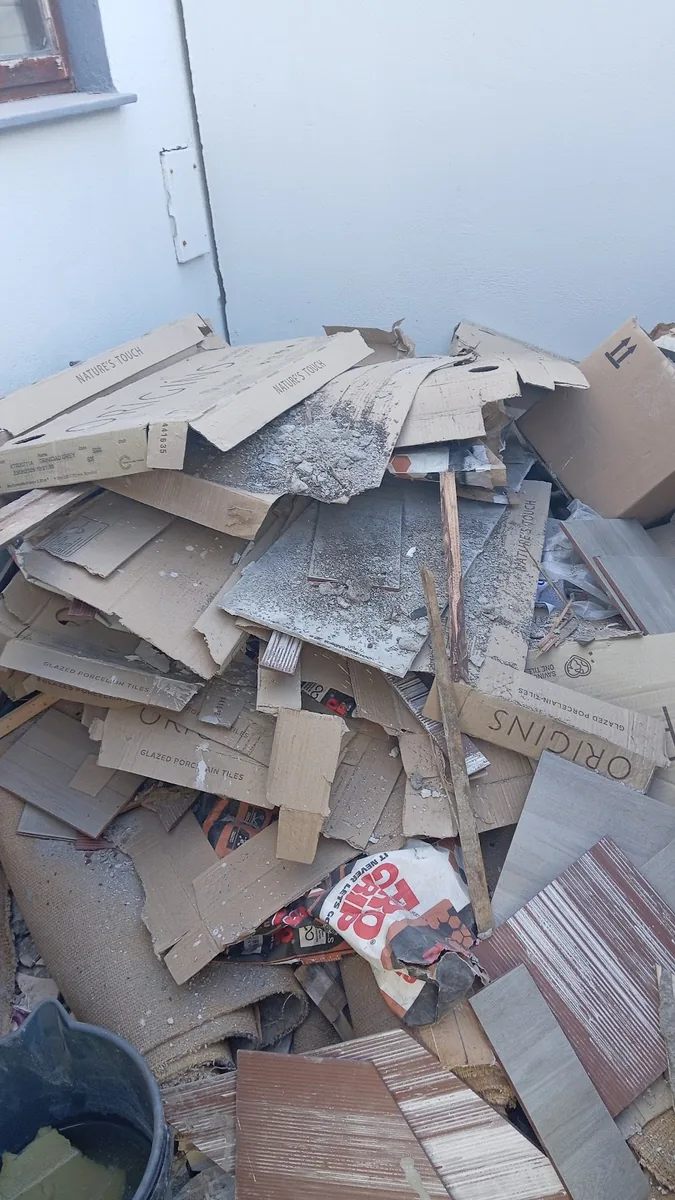
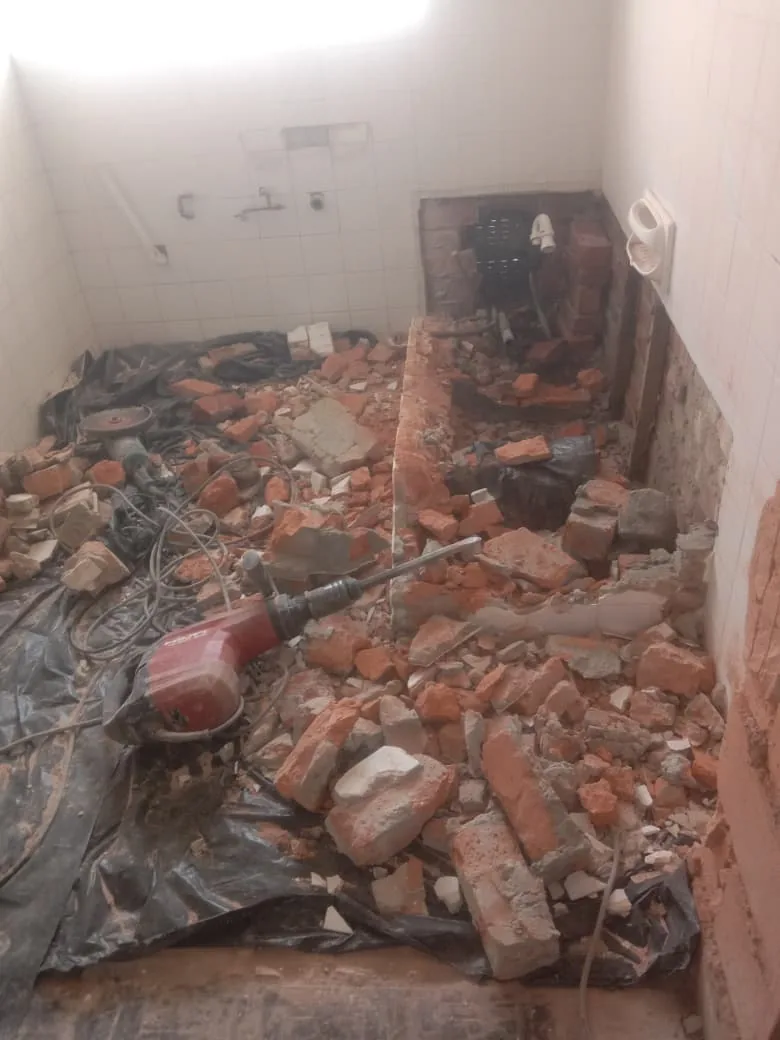
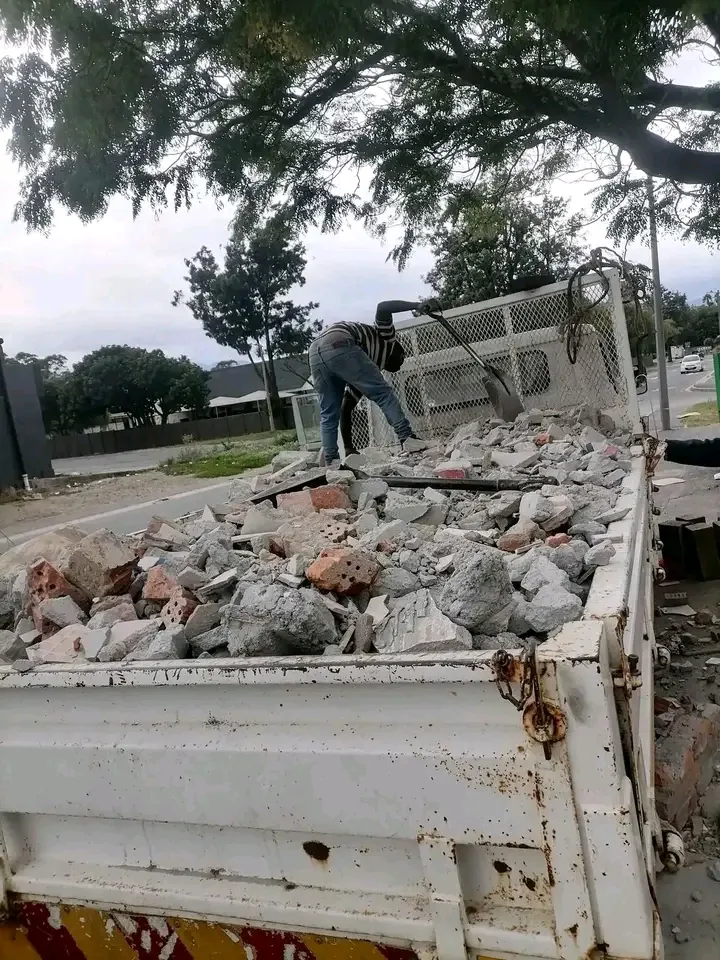
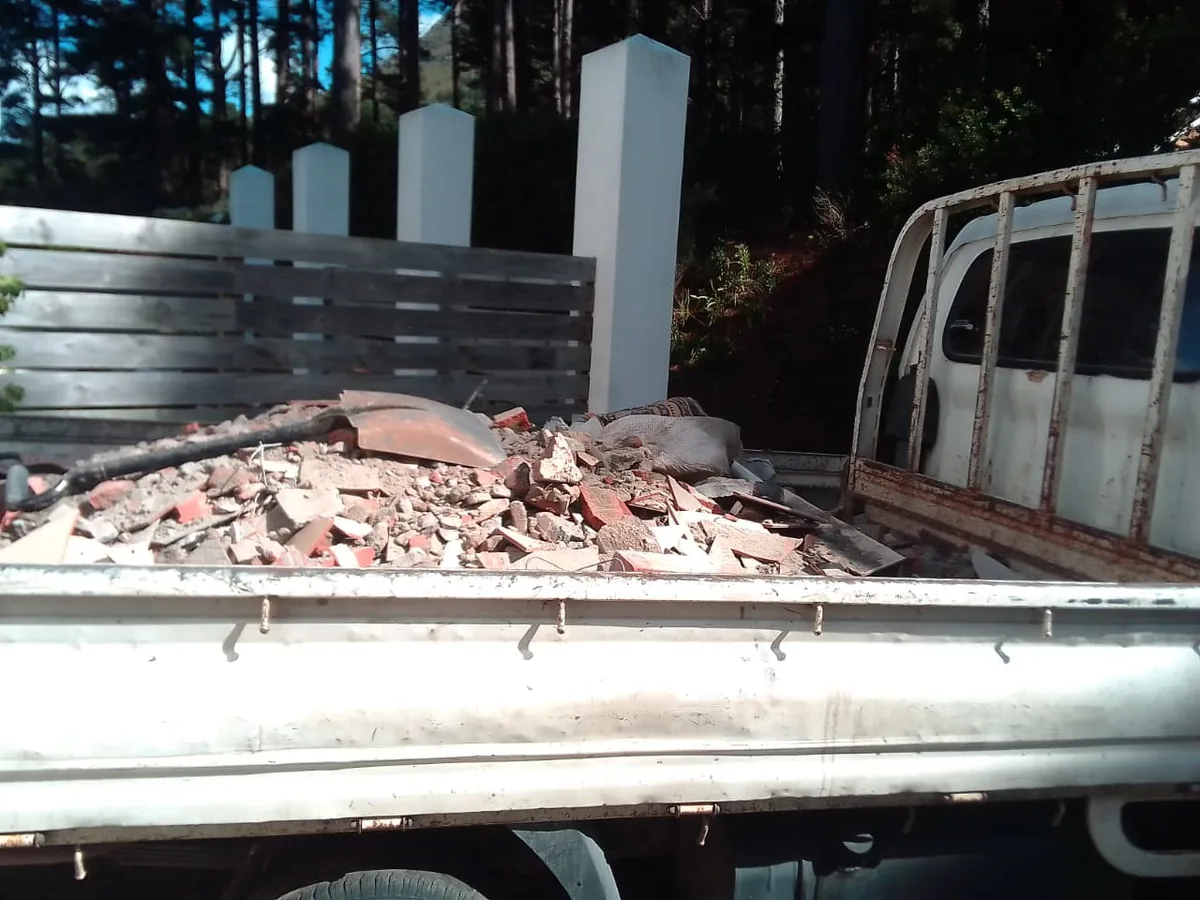
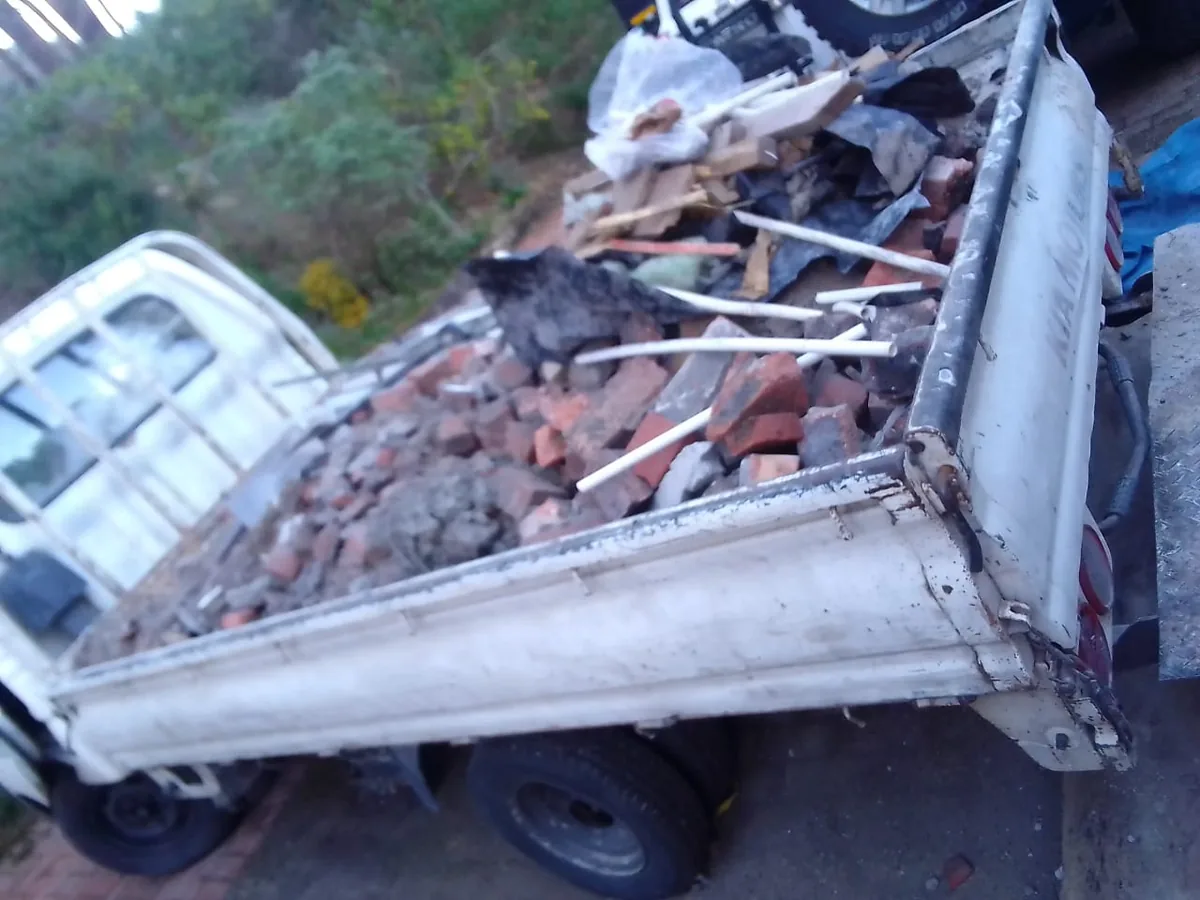
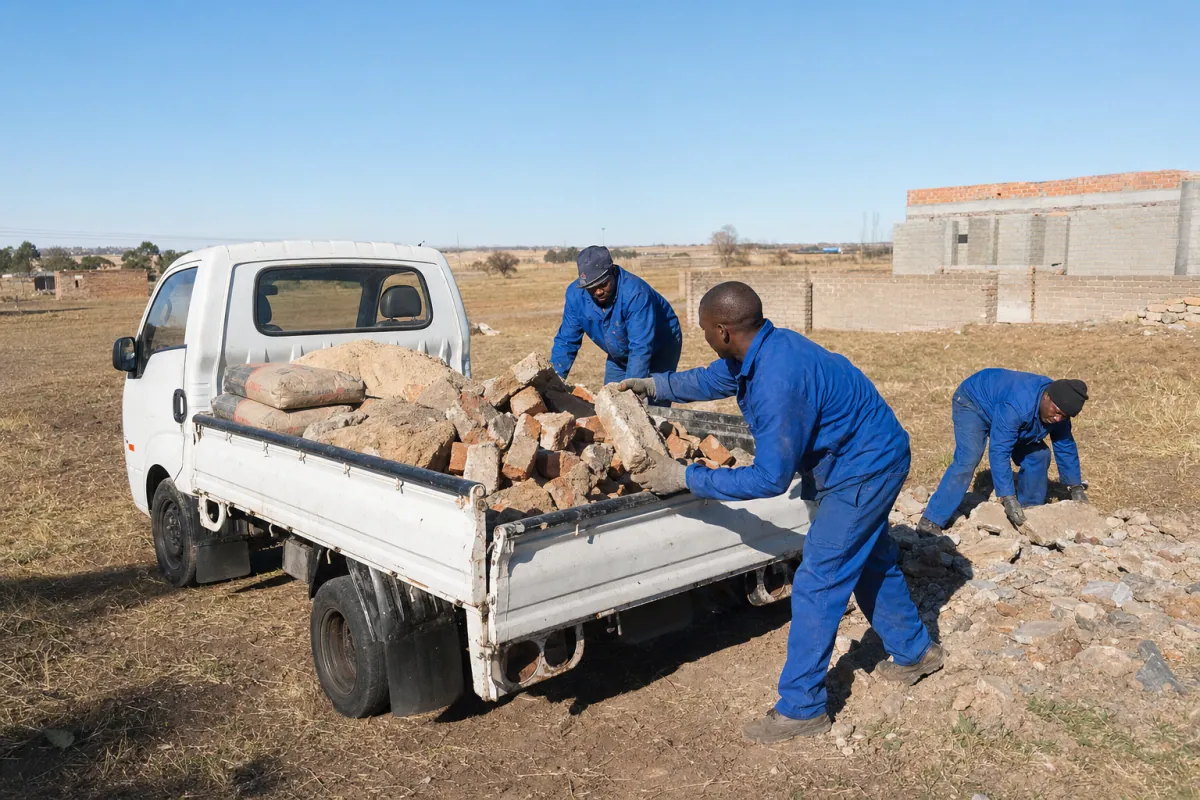
- Builders' rubble — concrete, tile, brick, sand, plasterboard, rocks. Different stream, different drop-off, different price.
- Hazardous household waste (HHW) — paint, solvents, ammonia and bleach containers, used motor oil, fluorescent tubes, batteries, asbestos.
- E-waste — old fridges, kettles, computers, printers, cell phones, appliances. Under the 2020 Extended Producer Responsibility Regulations (gazetted under NEMWA s.18 and effective from May 2021), these must go through a registered EPR scheme rather than into general residential rubbish.
- Garden refuse in volume — the wheelie bin holds about half a cubic metre of compacted clippings. A garage filled with autumn prunings is a separate job.
Mix the streams together and three things happen: the municipality may not collect, the drop-off gate staff will turn you away, and the fee on a contaminated load triples. The honest rule is that the rubbish-removal crew is sorting the streams whether you do it or not — you are paying for the labour either way.
What Emfuleni will and won't collect
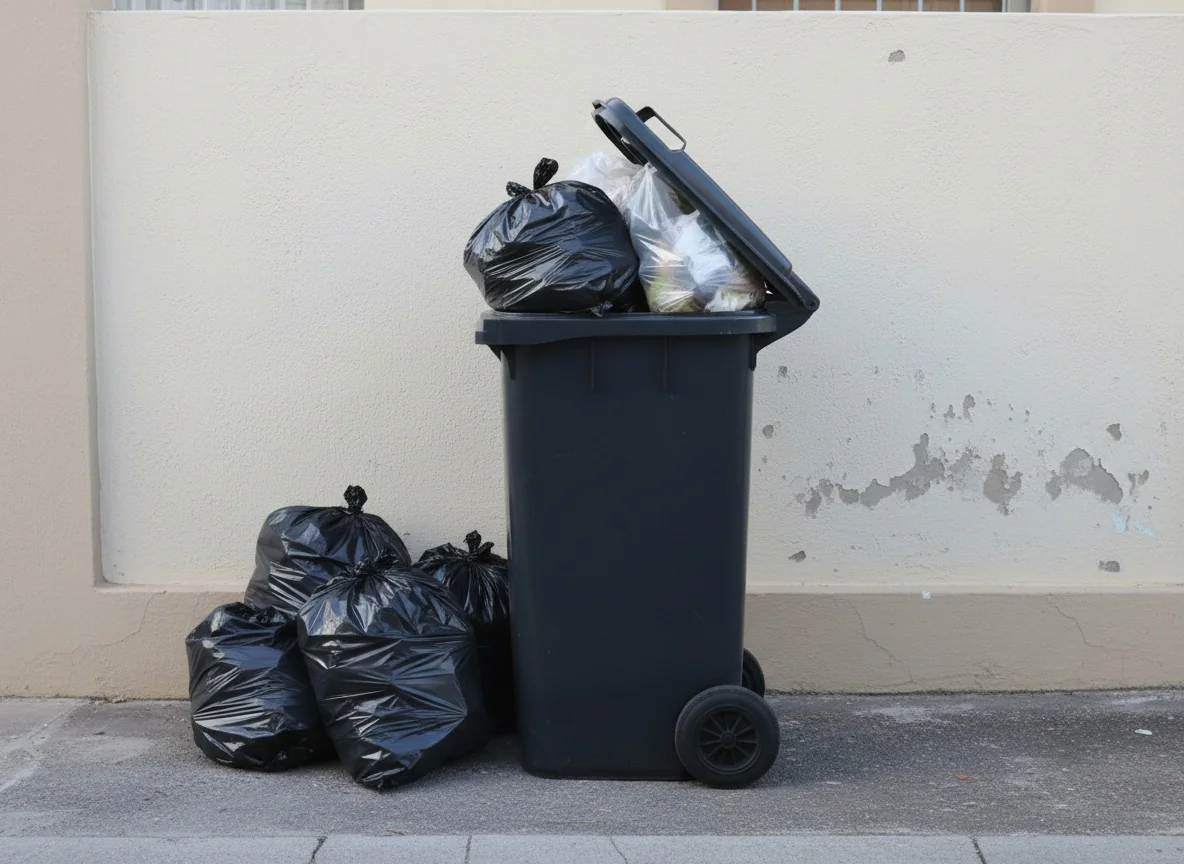
Emfuleni's residential waste service does one thing when it runs well: the weekly kerbside collection of the 240-litre black wheelie bin. In the Vaal, "when it runs well" is the operative phrase — service interruptions have been a recurring complaint, which is part of why so much overflow ends up needing a private clearance. The practical rules:
- Bins must be at the kerb early on the scheduled collection day, well before the truck.
- Only waste sealed inside the bin is collected. Extra bags on top, beside or behind the bin are not.
- Builders' rubble, oil and metal parts, medical waste, chemicals and manufactured waste are not allowed inside the bin.
- Households generating consistently more than 240L per week may be able to arrange a second bin — but expect a wait and a delivery fee.
For everything beyond the bin, Emfuleni runs drop-off and garden sites that accept non-hazardous residential waste from private residents within daily limits — but with the municipality's landfills (Waldrift, Boitshepi, Palm Springs) cycling through closures and interdicts, the choice of where to take a load can change week to week. Before you drive, check which gate is actually open in our Vaal drop-off facilities directory — a wasted round trip on the R59 is exactly what it's meant to save you.
What does residential rubbish removal cost in the Vaal in 2026?
Once the load exceeds what the bin and a Saturday boot-run can absorb, you're in the territory of a paid collection. Cross-referenced 2026 rates from independently published SA crews show a tight pricing band for residential clear-outs across the Vaal:
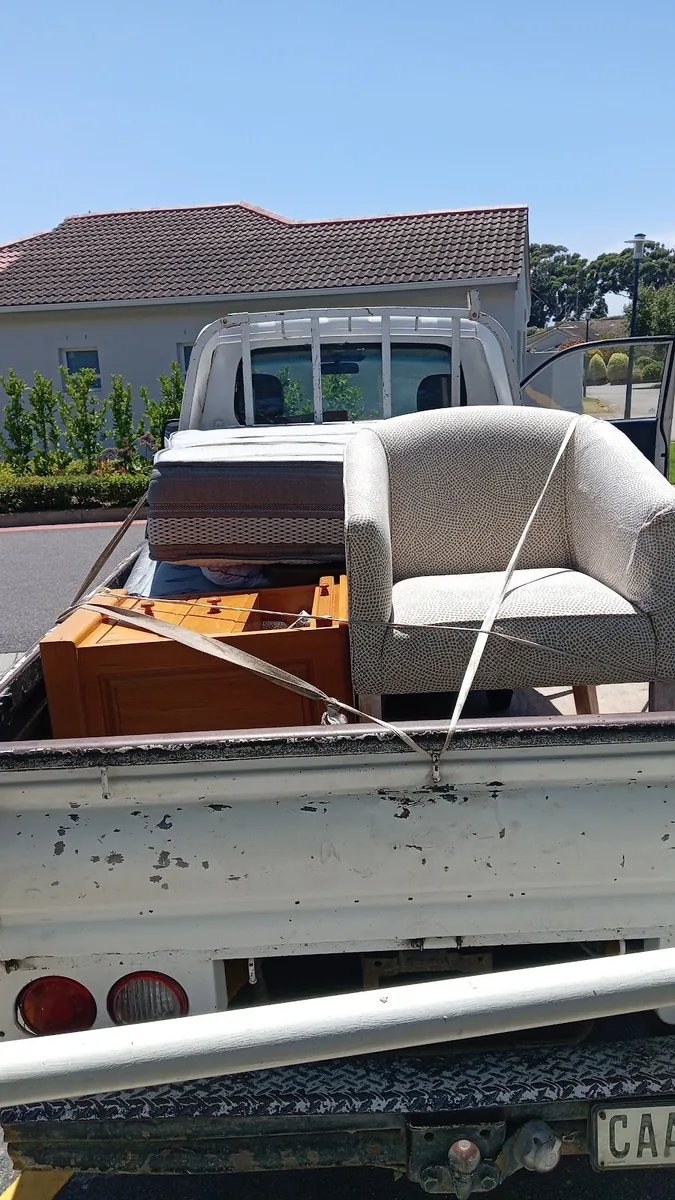
- Quarter-bakkie load (≈0.7m³): R350–R550. Single fridge, a chair and some boxes.
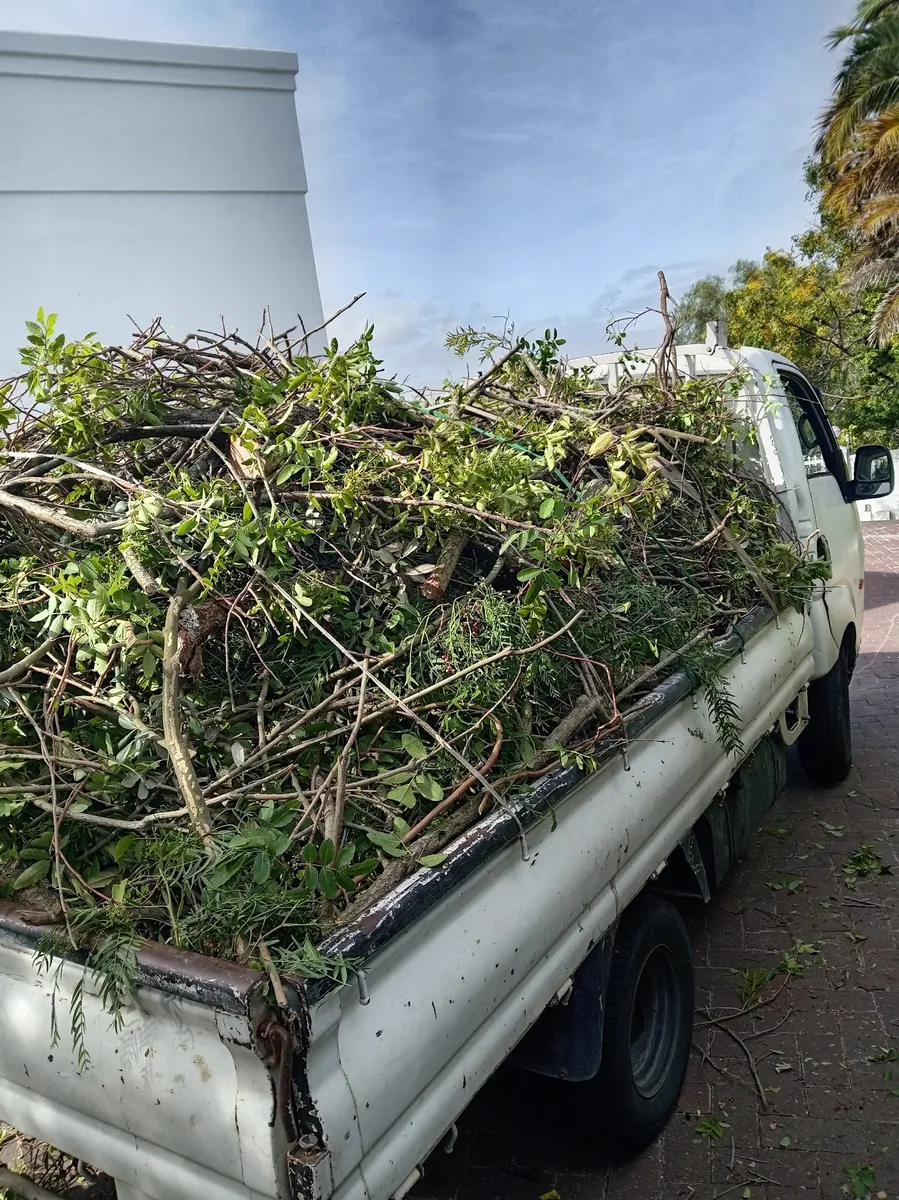
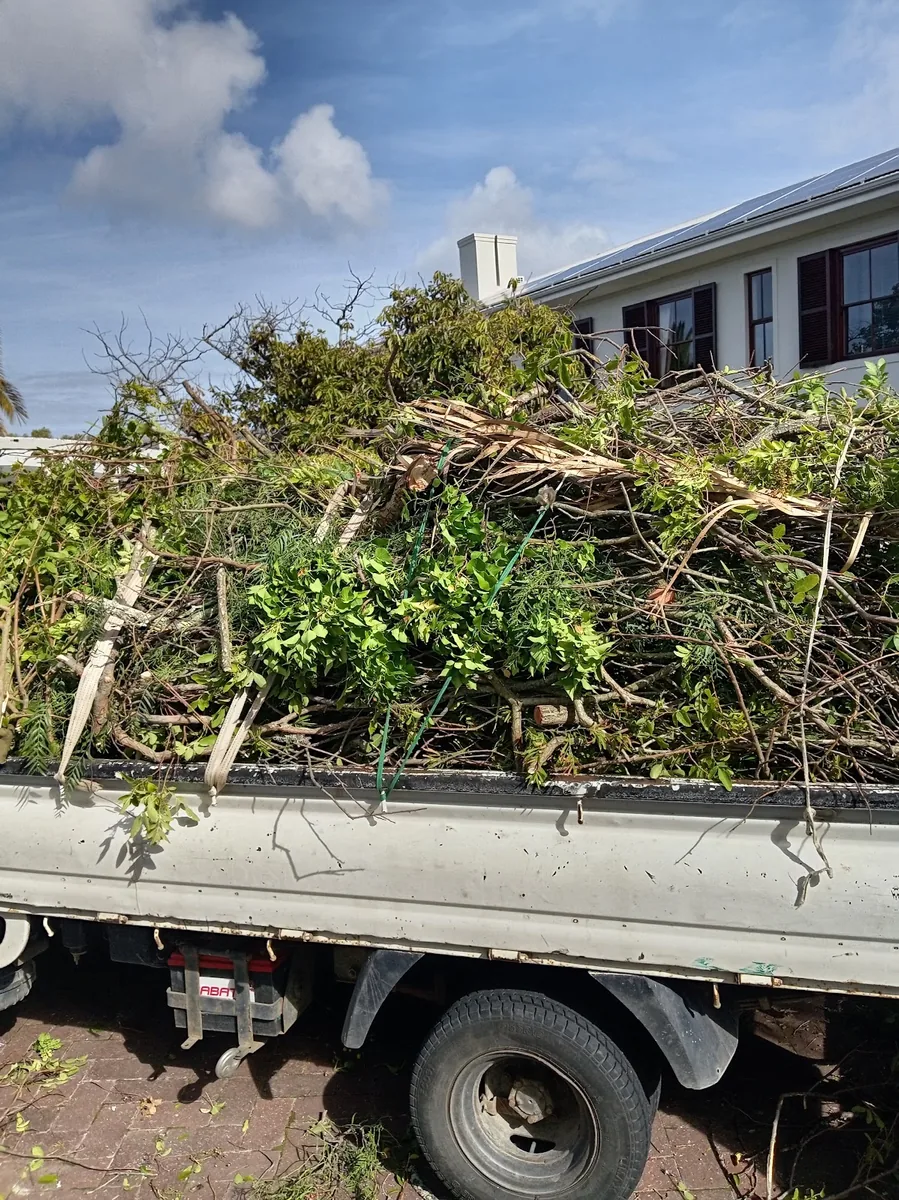
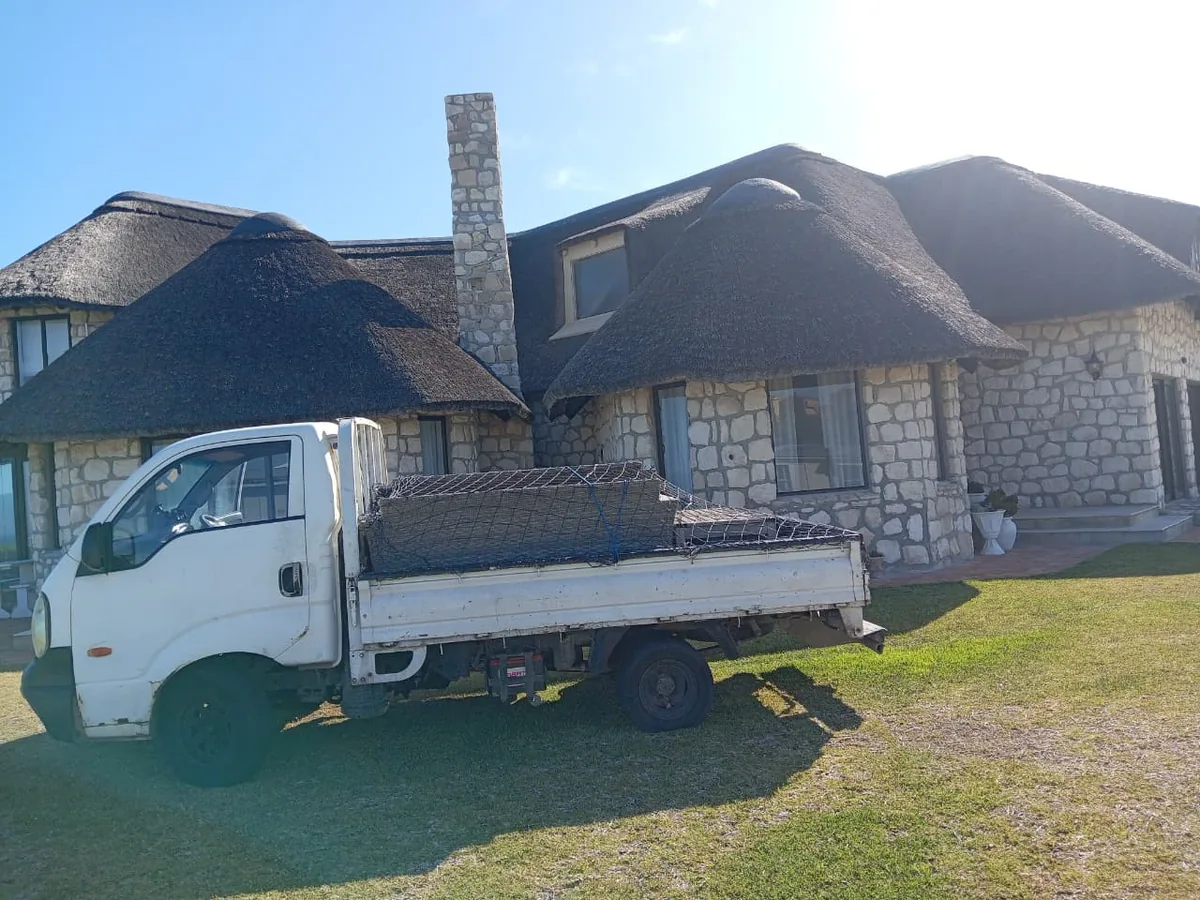
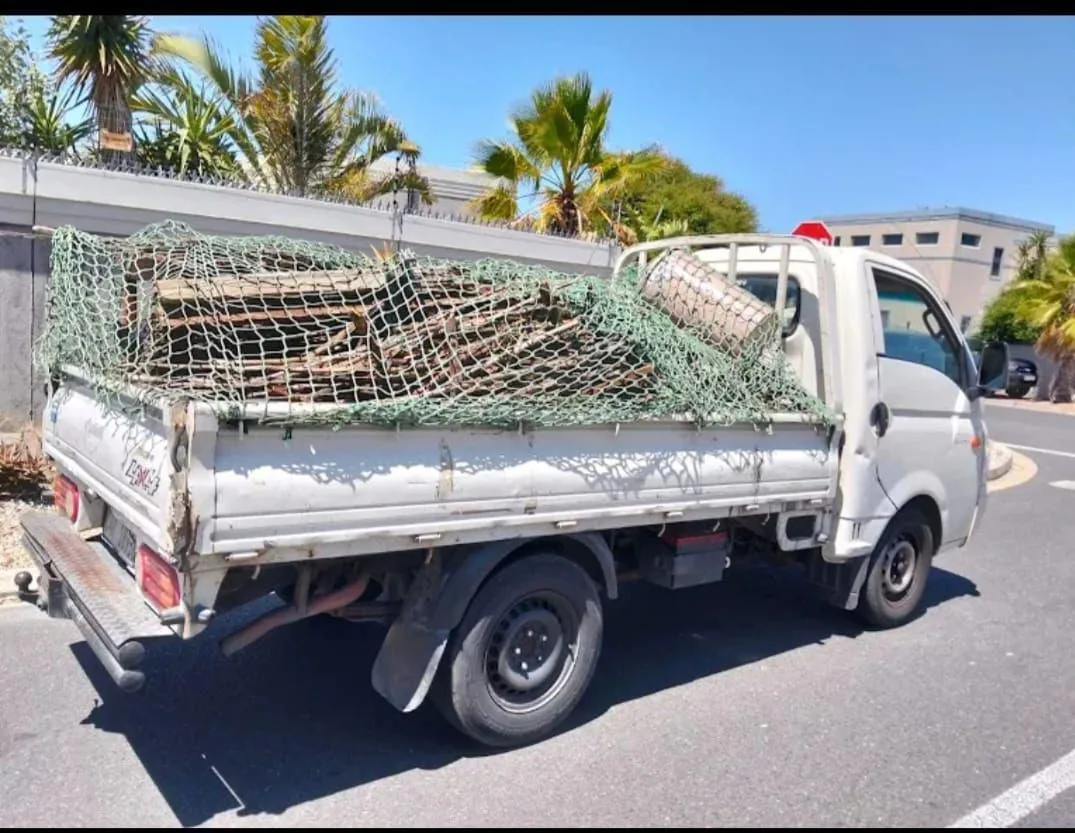
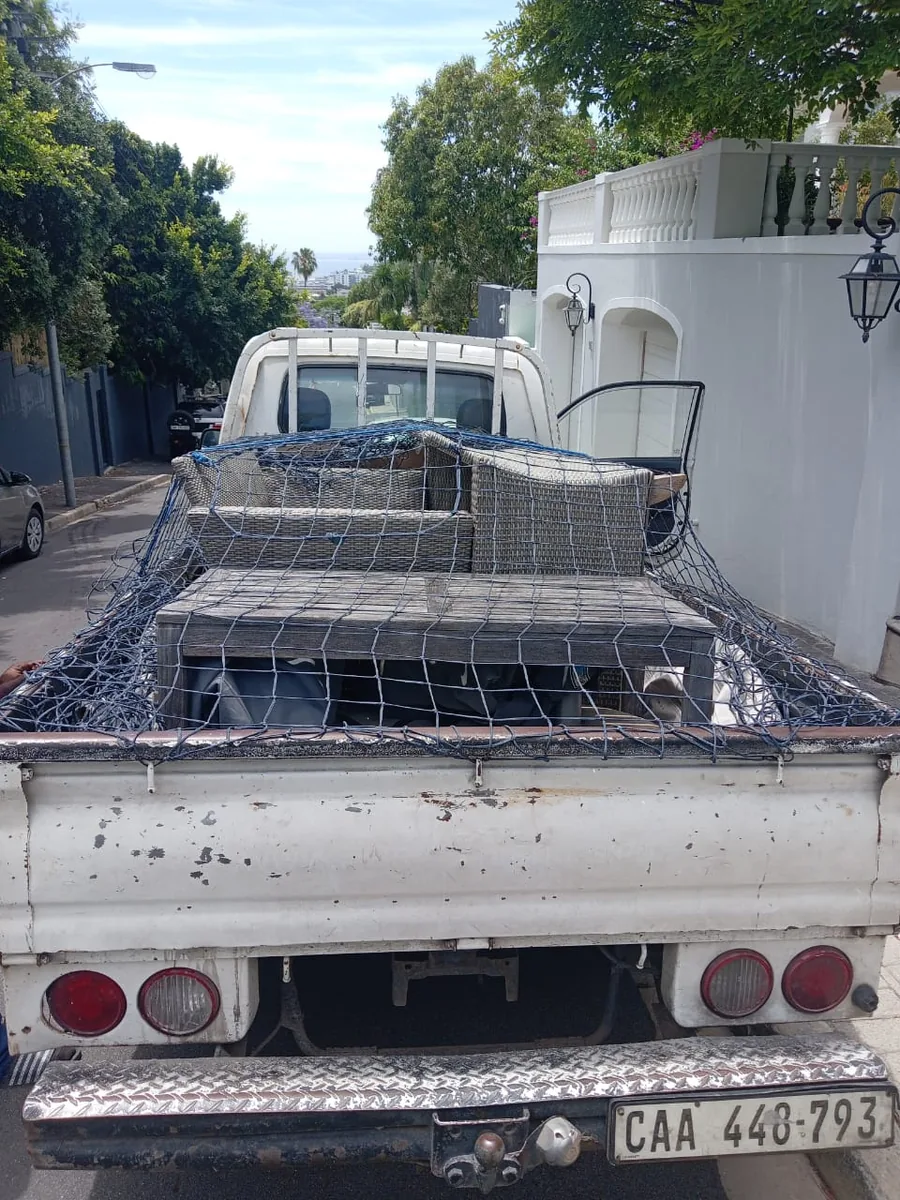
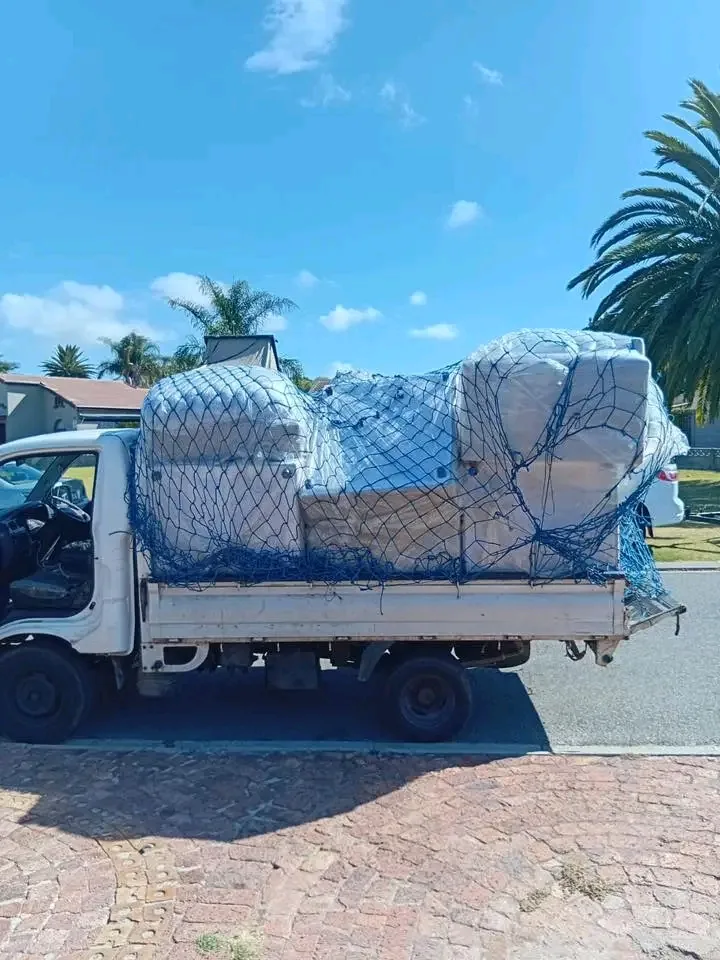
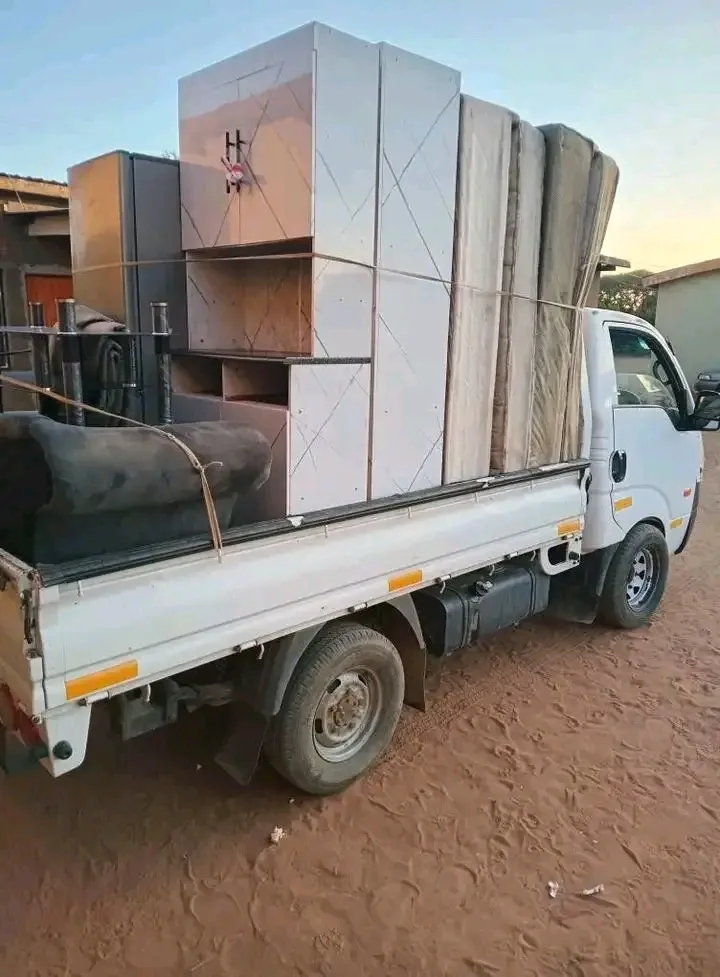
- Full bakkie load (≈3m³, the standard 1.3-ton): R600–R1,500 across most Vanderbijlpark and Vereeniging suburbs in 2026. This is what a typical garage clear-out or post-renovation tidy fits into.
- Medium load (3–6m³): R800–R1,800 — usually two bakkie runs or one tipper.
- Large clear-out (6–10m³): R1,200–R2,000, full estate-clearance territory.
- 10-ton truck: roughly R2,500, suitable for a whole-house clearance.
Add for distance and access: a job out toward Sasolburg (across the line in the Free State), Meyerton, or a far corner of Three Rivers carries more travel time than central Vanderbijlpark, and travel feeds straight into the quote. Stairs, long carries (over about 15m from the pile to the kerb), same-day turnaround, or any quantity of hazardous items that must be split off the main load all push it up. The hidden line items to confirm before you accept any quote are VAT, the tipping fee, and the scope-creep policy — covered in our rubble and rubbish removal in Vanderbijlpark CE page.
The law nobody reads: NEMWA s.16 and the homeowner's duty of care
The National Environmental Management: Waste Act 59 of 2008 (NEMWA) — the country's cornerstone waste statute — places a "general duty in respect of waste management" on every "holder of waste." Section 16(1) requires you to take all reasonable measures to avoid generating waste, to reduce, re-use and recycle it, and where you must dispose of it, to do so "in an environmentally sound manner" and "in such a manner that it does not endanger health or the environment or cause a nuisance." That word "holder" is defined broadly enough to capture every homeowner, the moment a bag of rubbish hits the kitchen floor. Your duty runs until the waste is in the lawful possession of someone permitted to take it — the Emfuleni collection truck, an authorised drop-off, or a registered transporter.
Practically, two things follow. First, you cannot "dispose" of waste by hiring a man with a bakkie who tips it on an empty veld plot or down a spruit bank at 11pm — that's still your liability if it's traced. Given how visible illegal dumping already is across the Vaal's open ground and along the river, that liability is far from theoretical. Second, a clearance crew is supposed to take loads only to permitted drop-offs and provide a clear chain of custody if asked. We keep weigh-in tickets for any large job for exactly this reason.
The penalty side is sharper than most homeowners expect. Emfuleni's enforcement framework — under its waste by-law and the national Act above it — exposes illegal dumping to fines, possible imprisonment, and impoundment of the vehicle used to carry the load. For a homeowner who thought they were saving a few hundred rand, the release fee on an impounded bakkie alone usually swallows whatever the lawful disposal would have cost.
Background on illegal dumping and the strain on municipal landfills — the policy context behind tighter enforcement.
The four household items you cannot put in your bin
The hazardous-waste rules are unambiguous. The following streams are not permitted in the 240L residential wheelie bin and must be routed to a permitted handler:
- Paint, solvents and household chemicals. Paint tins (full or part-full), thinners, oven cleaners, swimming-pool acid, ammonia and chlorine bleach in quantity. These route to a permitted hazardous-waste facility — never the wheelie bin and never a general landfill. In a region built around Sasol's chemical plants and ArcelorMittal's steelworks, the rules on chemical waste are enforced with intent.
- Batteries and fluorescent tubes. Car batteries, lithium and alkaline batteries, CFL bulbs and fluorescent tubes. Same hazardous-waste route. Many supermarkets and hardware shops in the Vaal also operate battery drop-points.
- Motor oil and used cooking oil. Sealed and labelled, to a hazardous-waste handler. Never down a drain — it's both a by-law offence and a NEMWA s.16 breach.
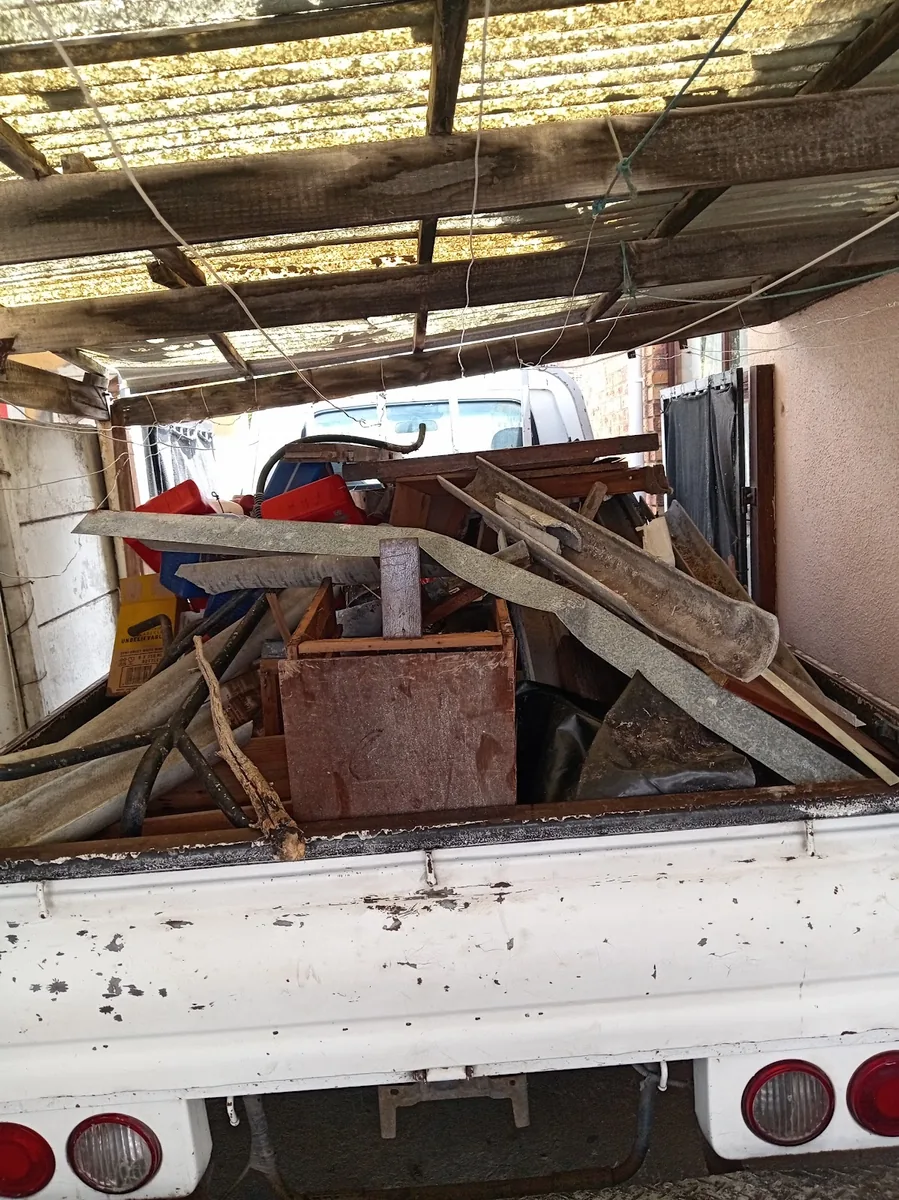
- Asbestos. If your house was built before about 1990 there's a real chance the ceiling boards, downpipes or roof sheets are asbestos-containing — common in the Vaal's older industrial-town housing stock. It requires double-bagged transport by a registered asbestos handler. No clearance crew will touch it without that, and neither should you.
Old electrical and electronic equipment — fridges, kettles, computers, printers, cell phones, small appliances — is also out of the wheelie-bin stream. Under the Extended Producer Responsibility Regulations (2020) you can hand e-waste to a registered EPR scheme at no cost. As of 2024, EPR schemes had diverted around 68,000 tonnes from landfill nationally — and with Emfuleni's landfills under such strain, every tonne kept out of them counts here more than most.
What an actual residential clearance looks like
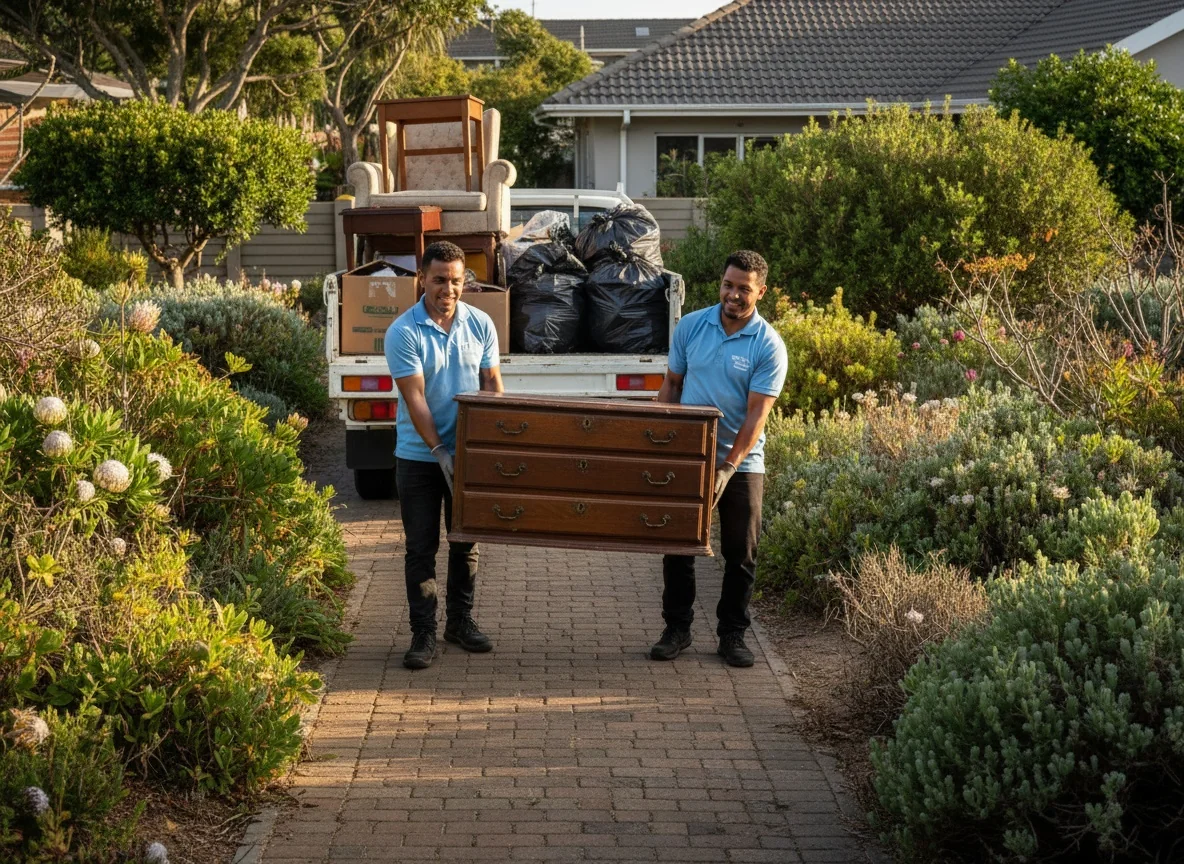
The difference between a competent residential rubbish removal job and "a guy with a bakkie" is mostly in the sorting. The drop-off your load ends up at depends entirely on what's in it, and the cost depends on the drop-off. A clean garden-only load tips cheaply at a garden bay. A clean builders-rubble load tips at a separate rubble point. A mixed-domestic load with no hazardous items goes through the general residential stream. A mixed load with hazardous content has its hazardous portion split off to a permitted handler, and the landfill portion goes elsewhere. Any single contaminated stream costs more — and in the Vaal, the route also depends on which Emfuleni gate is open that day.
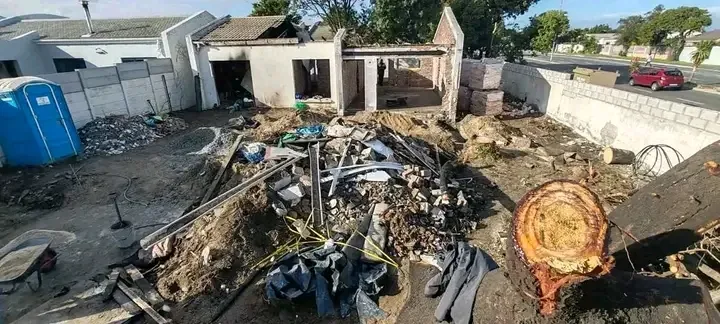
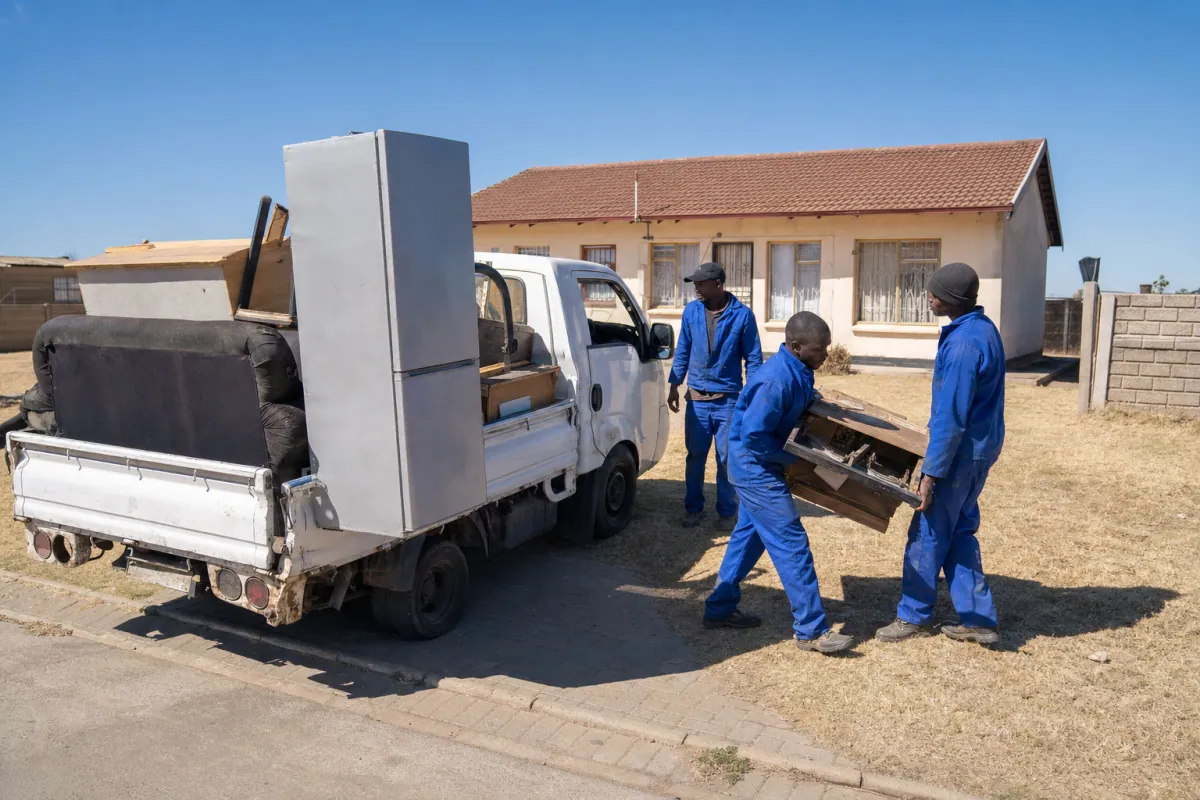
On a typical residential clear-out we walk through the house with the homeowner first and split everything into four piles before loading: usable furniture and appliances for donation to a registered charity (a "reasonable measure" satisfying NEMWA s.16(1)(b)), general household rubbish for the main drop-off, hazardous items for a permitted handler, and any clean rubble or garden refuse if a previous job left some on site. That's what a fixed-price residential quote should cover — the labour to do the sort, the transport, and the tipping fees at the right facilities.
Deceased-estate or move-out clearances need an extra step. Under the Administration of Estates Act, the executor has to inventory and account for the deceased's personal effects in the Liquidation and Distribution Account filed with the Master of the High Court. A clearance crew never starts removing items from an estate property without the executor's written sign-off — typically a one-page schedule of what's being removed and what's being donated, signed and dated.
When the wheelie bin can't cope: how to schedule a collection
The Vaal residential clear-out market is fast-moving — most reputable crews quote the same day and collect within 24–48 hours for standard suburbs. Three rules make the process smoother:
- Send photos. Three is enough — a wide shot of the pile, a close-up showing the worst item (mattress / wardrobe / fridge) and a shot of the access route (driveway, gate, stairs). A photo-quote prices within R100. A phone description never does.
- Flag hazardous items separately. A 5L of old paint or a car battery isn't a deal-breaker; surprising the crew on arrival is. Confirmed up-front, it routes cleanly to a permitted handler on the way back.
- Stage at the kerb where possible. Loading from a tidy kerbside pile is 15–20 minutes of crew time; loading from a back garden, up stairs, behind a gate the crew can't drive through, is two hours and the price reflects it. On the Highveld, a dry morning slot also beats loading into an afternoon thunderstorm.
For a full house clearance, the routing is closer to a dedicated household clearance and junk removal job — bigger truck, three-person crew, half-day on site. For a single fridge or a small post-renovation tidy, a bakkie crew slots in next-day at the lower end of the price band. Either way, the quote form takes about a minute and the price you're given is the price you pay — if our crew finds more rubbish than the photos showed, we'll quote the extra in writing before we touch it.
The honest take: when to DIY and when to call
Emfuleni's drop-off allowance is reasonable when the gates are open. For a single bakkie-boot's worth of household clear-out and a free Saturday morning, the cheapest option is to sort it at home, label your hazardous items in a separate box, and drive it yourself — provided you've first confirmed a Vaal site is actually accepting that day. The municipality absorbs the cost; you absorb the time and the gamble.
Beyond a single bakkie load — half a garage's worth of clear-out, a fridge that won't fit, a clearance after a long-term tenant moves out, an estate to wind up — the maths flips. A R800 quoted collection is one phone call, one photo set and a half-day of your time back, with someone else carrying the risk of a closed landfill gate. Whatever the answer for your specific pile, the rule is the same: do not leave residential rubbish on a verge, an open veld plot, or a riverbank. Emfuleni's enforcement on illegal dumping carries fines, impoundment and the prospect of a record — and clearing it lawfully almost always costs less than getting caught not doing so.
Keep reading
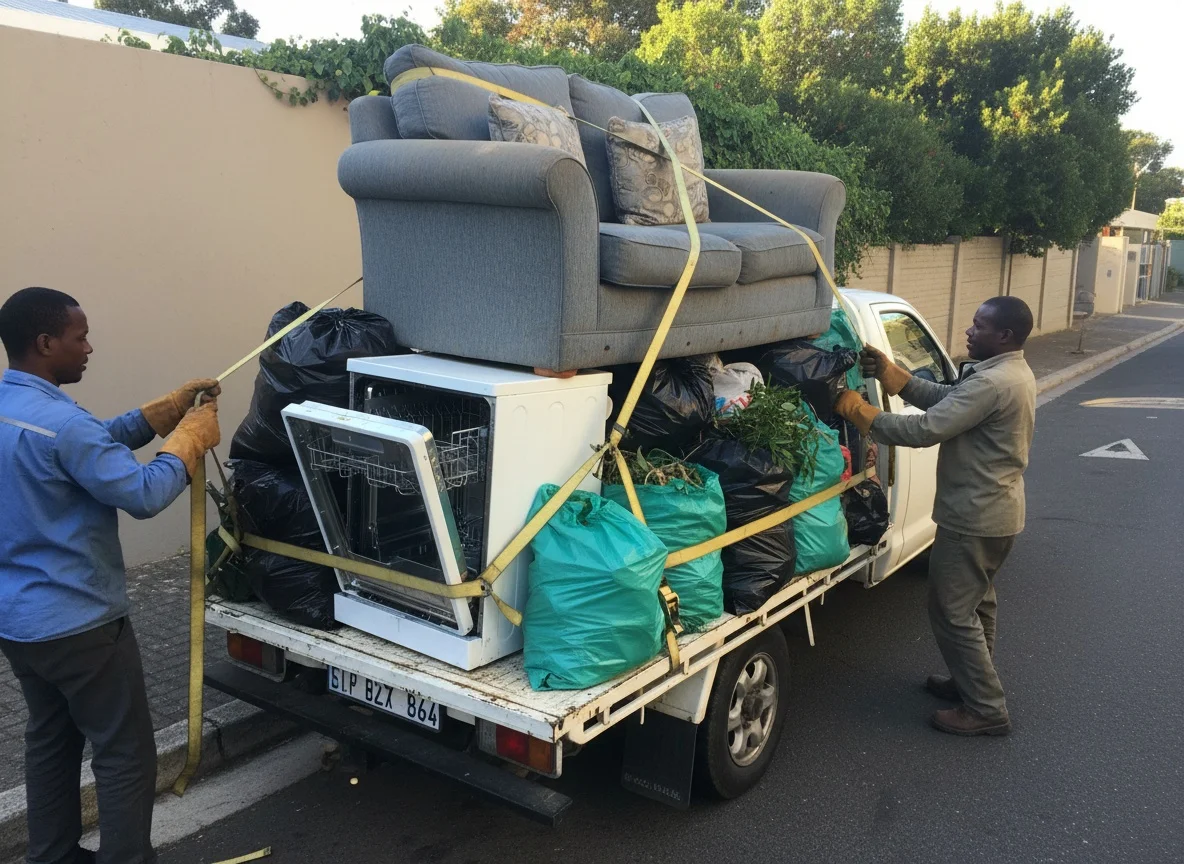
How Much Rubble Fits in a Bakkie or Truck? (Vaal Guide)
A bakkie holds about a cubic metre of rubble; a tipper truck holds five. Here's how to measure your pile in cubic metres and figure out how many loads it'll take before you ask for a quote.
Construction & Building Rubble Removal Vanderbijlpark
A contractor's guide to building rubble removal across Vanderbijlpark and the Vaal Triangle — sorting clean from contaminated, Emfuleni's disposal reality, skip vs tipper, and clearing a live site.
Junk Removal Vanderbijlpark: A 2026 Buyer's Guide
Real 2026 Vaal junk removal prices per load size, the items a crew legally can't touch, where Emfuleni's landfills actually send your waste, and the four questions to ask before you book.